
- Homepage
- News
- Blogs & Articles
- Winter Heating Safety: The Risks and How to Avoid Them
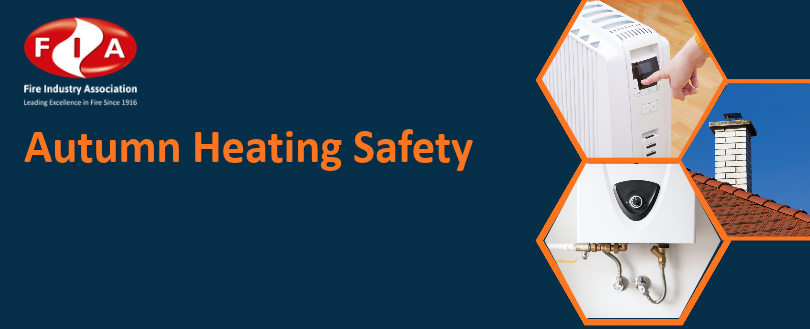
Winter Heating Safety: The Risks and How to Avoid Them
Like it? Share it!
12 October 2026 by FIA Team,
As we move into a more autumnal Autumn season with cooler and more inclement temperatures on the horizon homeowners will inevitably begin to switch the heating on and potentially switch on heating devices such as electric blankets and portable heaters.
Whilst these devices bring warmth to the home, they also bring their own set of dangers, should they be used incorrectly. Following several recent awareness campaigns, we have produced this guidance to highlight the potential fire risks associated with heating your home during the autumn and winter months, and the steps you can take to reduce them.
This blog explores the risks linked to gas appliances, electric heating devices and chimney fires, providing practical advice to help you heat your home safely and help prevent fires.
Gas Safety
Gas-powered heating devices can present serious risks, including fire, explosion and the release of harmful gases. They can also become extremely hot and may ignite soft furnishings or other combustible materials if they come into contact with them.
As mentioned above, gas-powered appliances can also release harmful gases. Here are some common warning signs to look out for:
Signs of a gas leak:
-
You may notice a distinct smell like rotten eggs
-
You may be able to hear a faint hissing noise
-
If you suspect a gas leak , leave the house and contact the National Gas Emergency Service Number (0800 111 999)
Signs of carbon monoxide poisoning:
-
Headaches
-
Dizziness
-
Breathlessness
-
Nausea
-
Collapse
-
Loss of consciousness
If you think someone has Carbon Monoxide poisoning, it is important they leave the property and seek medical attention. NHS 111 is appropriate for suspected symptoms, while 999/A&E is advised for serious symptoms including difficulty breathing, confusion, loss of consciousness, weakness or chest/muscle pain.
How you can avoid incidents involving gas appliances:
Regularly service and maintain gas appliances. All maintenance and testing should be done by a qualified Gas Safe Registered engineer.
How can you ensure they're a qualified Gas Safe Registered engineer? Look at their Gas Safe Register card (both sides). Visit this link to see what you need to look out for.
Where you have appliances, for example those that burn fuel such as wood and coal, carbon monoxide alarms should be provided, be positioned where they can effectively detect carbon monoxide, and where the warning can be heard. Always follow relevant guidance and the manufacturer’s instructions on where and how to install your alarm.
Chimney fire risks
In homes with a working fireplace or chimney, it is important to carry out regular checks and maintenance and to follow good practice when using your fire.
Before looking at the steps you can take to reduce the risks, it is important we understand where the risks come from. When wood is burned, a combustible substance known as creosote can build up inside the chimney. This build-up can increase when wood with a high moisture content is burned, as this can result in more smoke and deposits within the chimney. If sufficient creosote accumulates, it can ignite and cause a chimney fire.
Other factors that can increase the likelihood of fires and damage caused is if there are blockages in the chimney. These could be nests, debris or leaves, which prevent smoke escaping from the chimney . A blocked or poorly maintained chimney/flue can create a carbon monoxide risk.
How you can avoid these risks:
-
Regularly have your chimney swept to remove blockages and deposits such as creosote.
-
Hire a competent professional to regularly inspect your chimney, this should be done before using the chimney again after a period of disuse
-
Burn only ‘good’ sources of fuel, examples of this are dry wood or wood that has 20% or less moisture content and are suitable for the appliance. By using dry sources of fuel, the number of deposits that can build up and increase the risk of fire is reduced. (If you live in a smoke control area, additional restrictions apply to the fuels and appliances that can be used.)
-
Make sure suitable fire detection and alarm provision is provided within the home in accordance with BS 5839-6 and any applicable requirements for the property.
-
Residents should also be aware of warning signs such as roaring or unusually loud noises, sparks/flames coming from the chimney, thick smoke, strong burning smell or hot chimney breast/surrounding walls. If these signs are spotted call the Fire and Rescue Service urgently and avoid using your chimney.
Electrical heating risks
Thirdly, another common area of risk is electrically powered heating devices, such as electric blankets, portable heaters and fan heaters. These appliances are widely used in homes across Britain, particularly during the colder months, so it is important to understand how to use them safely.
There are several common risks to be aware of. Electrical heating devices can overheat if they are faulty, damaged or used incorrectly. If an overheating appliance is positioned close to curtains, bedding, furniture or other combustible materials, there is a risk that these materials could ignite and allow a fire to spread quickly.
Overloaded sockets, damaged electrical equipment and the use of incorrect or faulty chargers and power supplies can also increase the risk of an electrical fire.
Heating appliances should always be used in accordance with the manufacturer’s instructions. Avoid leaving portable heaters operating unattended or while you are asleep, and check electric blankets regularly for signs of wear or damage.
Other safety tips to follow
-
Switch electrical heating devices off when they are not in use.
-
Only use the correct power supply or charger specified for the device, where applicable, and do not use damaged or faulty equipment.
-
Avoid overloading plug sockets or extension leads.
-
Follow the manufacturer’s instructions regarding overnight use. Never leave portable heaters running while you are asleep.
-
Regularly check electrical appliances, plugs and cables for signs of damage or deterioration.
-
Keep combustible materials, such as paper, cardboard, curtains and soft furnishings, a safe distance away from heaters and other heat-producing appliances.
*This guidance is intended for homes in England. Some of the general safety advice may also be relevant in Scotland, Wales and Northern Ireland, but legal and technical requirements can differ. It is important to understand the specific recommendations for the area in which you live.
To summarise, it is important that you consider how you heat your homes in the upcoming seasons. Ensuring that you prepare properly, by implementing necessary identification measures, sourcing qualified professionals to test and undertake maintenance work, and acting responsibly when using heating devices.
TAGS