

Wildfires 'Stark Reminder' of Extreme Climate Challenge, Says Prince William
Like it? Share it!
28 July 2026
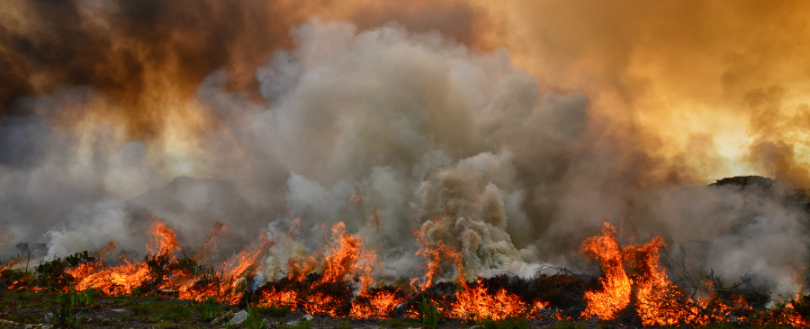
The wildfires affecting the UK and mainland Europe are a stark reminder of the growing challenges posed by prolonged periods of hot, dry weather and the increasing importance of fire resilience.
Across France and Spain, more than 300,000 people have been evacuated as large-scale wildfires continue to burn, with further high temperatures forecast in the coming days. In the UK, a major incident was declared in the Cairngorms following a significant wildfire, while fire and rescue services have responded to numerous smaller incidents across the country.
His Royal Highness The Prince of Wales has paid tribute to the firefighters, emergency responders and volunteers working in exceptionally challenging conditions, highlighting the need to protect both people and the natural environment as extreme weather events become more frequent.
Europe is the fastest-warming continent, with rising temperatures contributing to more frequent and prolonged heatwaves, increasing pressure on water resources and creating conditions in which wildfires can spread rapidly.
The UK is also experiencing heightened wildfire risk. The Met Office has warned that parts of London, the South East and the East of England could face exceptionally severe fire conditions where ignitions occur due to the combination of high temperatures and dry vegetation.
Recent incidents underline the importance of public vigilance. On the Isle of Wight, a wildfire believed to have been caused by the remains of a campfire burned an area equivalent to almost 13 football pitches over five days. In North Wales, emergency services have tackled multiple wildfires, including in the Rhinogydd mountains, where smoke was visible from space. Two people also required rescue after attempting to film a wildfire using a drone.
London Fire Brigade responded to more than 1,300 incidents over one weekend, including grass fires, property fires and water rescues. Fire and rescue services continue to urge the public to avoid using disposable barbecues, dispose of smoking materials responsibly and take litter home or place it in bins, as discarded items can easily ignite dry vegetation.
With another heatwave expected later this week and amber heat-health alerts in place across much of eastern England, the risk of wildfires remains elevated. Provisional Met Office data indicates that July has been around 3°C warmer than the long-term UK average, placing it on course to become one of the hottest Julys on record.
As periods of extreme weather become more common, strengthening fire resilience, promoting responsible behaviour and supporting the work of fire and rescue services will remain essential in reducing the impact of wildfires on communities, infrastructure and the environment.
View the source.
Our eNews provides regular insight into industry trends, news headlines, and product and service information. For more articles like this Subscribe to our enews.