

Remediation of Unsafe Cladding Bill Introduced to Parliament
Like it? Share it!
15 October 2026
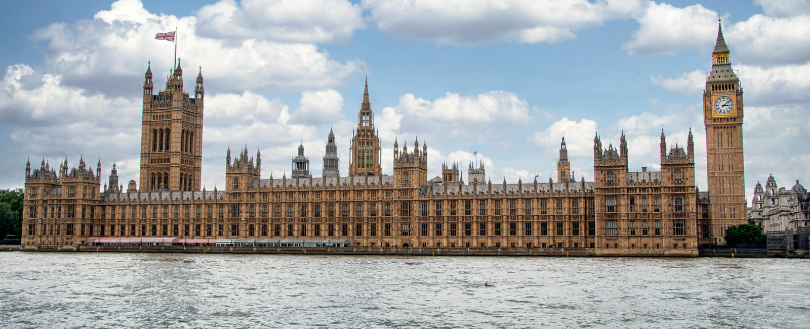
The Government has introduced the Remediation of Unsafe Cladding Bill to Parliament on 14 October, setting out new measures to accelerate the remediation of unsafe cladding on residential buildings across England.
The Bill aims to strengthen accountability, improve enforcement and provide greater clarity on the responsibilities of those involved in identifying and addressing building safety risks.
Nine years on from the Grenfell Tower fire in June 2017, significant challenges remain in ensuring that buildings with unsafe cladding are identified and remediated. Many residents continue to face uncertainty over the safety of their homes, alongside difficulties selling or moving from affected properties.
The introduction of the Bill follows the Government's Remediation Acceleration Plan, which established measures to increase the pace of remediation. Since its publication, more than 470 additional buildings have reportedly completed cladding remediation, benefitting approximately 35,000 residents.
The new legislation seeks to build on this progress by establishing clearer legal duties, strengthening enforcement powers and improving the processes through which remediation work is undertaken.
Building Safety Minister Baroness Blake of Leeds CBE stated: “It’s unacceptable that so many people have been left living in homes with dangerous cladding, anxiously waiting for those responsible to take action. This Bill is a milestone in our mission to right these wrongs and ensure that everyone feels confident in the safety of their home.”
Baroness Blake continued: “Crucially, the Bill will ensure all residents have a route to remediation, regulators have the powers they need to take action and that, for all residents currently waiting, an end is in sight.”
Key measures within the Bill
Strengthened enforcement and accountability
The Bill introduces a new legal duty requiring those responsible for building safety, including freeholders, to identify, assess and address unsafe cladding without unnecessary delay.
Individuals or organisations that obstruct remediation work could face criminal penalties.
The legislation also proposes a strengthened enforcement framework for those who fail to comply with Remediation Orders. This includes powers for the First-tier Tribunal to impose financial penalties of up to £500,000.
The Government's existing target remains for all residential buildings over 11 metres with unsafe cladding to have completed remediation, or have a confirmed completion date, by the end of 2029. The Bill would enable stronger enforcement action ahead of this deadline.
Clearer routes to remediation
The proposed legislation introduces additional mechanisms to ensure remediation can proceed where those responsible fail to take appropriate action.
Third parties, including Homes England and local authorities, would be able to undertake remediation work where responsible entities repeatedly fail to meet their obligations.
The Bill also seeks to provide leaseholders with clearer legal routes to take control of building management where a building has no effective owner or responsible entity. This would help ensure that essential maintenance and safety work can continue.
Recovery of remediation costs
The Bill includes provisions intended to make it easier for developers, contractors and other parties that have funded remediation work to recover costs from cladding manufacturers where specific products have contributed to a building being unsafe.
These measures aim to address existing legal barriers and provide a clearer route for pursuing relevant claims.
Greater transparency and consistency in building safety assessments
A new register of medium-rise residential buildings in England is proposed to improve oversight and support the identification of buildings requiring remediation.
Failure to register could result in civil penalties of up to £7,000, with further financial penalties of up to £40,000 or prosecution available for more serious non-compliance.
The Bill also proposes a more consistent approach to fire risk appraisals of external walls (FRAEWs), helping to ensure that assessments are evidence-based, independently audited and undertaken against consistent criteria.
Where an assessment identifies the need for remediation, responsible entities would be required to provide residents with a remediation plan outlining the proposed works and anticipated timescales.
According to Government estimates, the measures introduced through the Bill are expected to accelerate remediation for approximately 12,000 residents, including around 3,000 residents in buildings that could benefit from the proposed remediation backstop.
Wider progress on building safety remediation
The Bill forms part of the Government's wider programme of building safety reform and remediation.
Measures already announced include:
- More than £5 billion in Government funding committed to building safety remediation.
- Established targets for the completion of remediation work.
- Funding for buildings below 11 metres in exceptional circumstances.
- An additional £1 billion to support remediation within the social housing sector.
- Extended funding for fire alarm installations to reduce reliance on costly Waking Watch arrangements.
- The Government is also continuing its response to the recommendations of the Grenfell Tower Inquiry.
This includes the recent appointment of an independent Chief Construction and Scientific Adviser, who will provide expert advice on building safety, quality and resilience.
Implications for the fire safety sector
The introduction of the Remediation of Unsafe Cladding Bill represents a further development in the regulatory framework for building safety in England.
For the fire safety sector, the proposed measures reinforce the importance of competent, consistent and evidence-based assessments, alongside clear accountability for identifying and managing fire safety risks.
The proposed requirements relating to external wall assessments, remediation planning and regulatory oversight will be particularly relevant to building owners, responsible entities, fire risk assessors and other professionals involved in building safety.
As the Bill progresses through Parliament, further clarity on its implementation and associated requirements will be important in understanding the practical implications for those responsible for assessing and remediating affected buildings.
The FIA will continue to monitor developments as the Bill progresses through Parliament and consider the implications for the wider fire safety industry.
Amy Rees CB, CEO for Homes England, commented: “Everyone deserves to feel safe in their home. These measures are an important step in accelerating remediation, strengthening accountability and giving residents greater confidence that unsafe buildings will be fixed.”
Rees added: “Homes England will continue working with Government, regulators and industry partners alike to help ensure no building falls through the cracks and that remediation progresses as quickly as possible.”
Charlie Pugsley, acting CEO for the Building Safety Regulator, concluded: “The Building Safety Regulator is fully engaged with stakeholders to support building owners in fixing known buildings on a faster basis. We will continue to support the Government as a collaborative and proportionate regulator on the critical issue of remediation on higher-risk buildings across England.”
View the source.
Our eNews provides regular insight into industry trends, news headlines, and product and service information. For more articles like this Subscribe to our enews.