Raising Awareness of the Dangers of Chimney Fires During Chimney Fire Safety Week
Like it? Share it!
08 September 2026
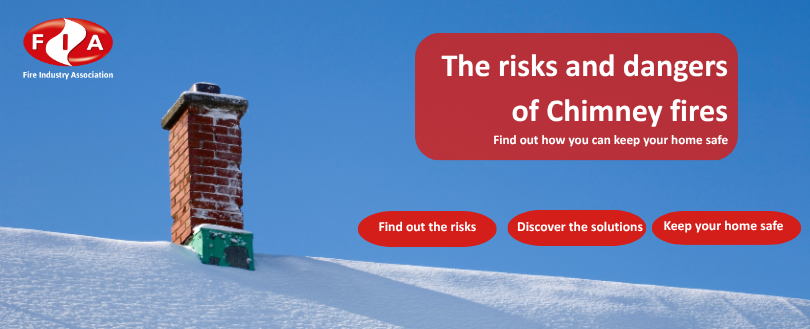
This week marks Chimney Fire Safety Week, the purpose of the week is to raise awareness of the risks and dangers of chimney fires, urging homeowners to take action.
Action can come in a variety of forms, whether that is ensuring you use the chimney as instructed and safely, selecting the appropriate fuel source and ensuring that as an example, if you use wood as a fuel source, it needs to be dry or have less than 20% moisture content, wet wood releases smoke and it is these deposits that can block smoke exiting from the chimney that becomes a danger the health of residents. Other important action is regularly maintaining your chimney and surrounding fire detection appliances.
Although the number of chimney fires has decreased over the years, in England 2025-2026 there were 1,655 fires, this number dropped by 18% compared to the previous year, with a peak period between January – March. Despite the drop, there is still a significant risk and with winter fast approaching this serves as a timely reminder to arrange for a competent professional to check your chimney before you start lighting fires.
Where does the risk of fires come from?
Risk of fires can come from a buildup of flammable materials such as creosote and unburned fuel sources such as coal and wood, which can ignite and spread quickly.
Wet or unseasoned wood. By burning damp wood, extra water vapour and smoke is created, as this cools creosote can build up much more quickly, and with larger amounts of creosote this can ignite rapidly.
Blocked flues are another issue that affects chimney, flues can get blocked by a range of things such as leaves, bird nests and debris, these then trap heat and block smoke from escape, over time this blockage acts as extra fuel, which can ignite easily. This can be avoided by regular sweeping.
Here are some useful tips to follow to reduce the risk of fire in your chimney:
- Have chimneys and flues regularly swept and inspected by a suitably competent professional, at a frequency appropriate to the appliance, fuel and level of use.
- Ensure the appliance and flue are properly maintained and follow the manufacturer’s instructions.
- Burn only suitable, good-quality fuel. Wet or inappropriate materials can increase deposits within the chimney and the risk of fire.
- Avoid allowing wood to smoulder for long periods, as incomplete combustion can contribute to soot and creosote build-up.
- Make sure the home has suitable, working smoke alarms and a carbon monoxide alarm. Test them regularly.
- Look out for warning signs such as a roaring or unusually loud crackling noise, sparks or flames from the chimney, thick smoke, a strong burning smell, or an unusually hot chimney breast or surrounding walls.
- If a chimney fire is suspected, get everyone out, stay out and call 999. Do not attempt to tackle the fire yourself.
Summary
So, in conclusion, chimney fires can be highly dangerous and can cause significant damage, however they're becoming a decreasing occurrence with 1,665 chimney fires attended last year, down by 18% from 2025. As we move towards the colder seasons, this week marks an important time to remind and encourage homeowners to prepare appropriately before they begin to use fires and stoves more regularly. It is also crucial to note that good maintenance such as conducting a thorough sweep of your chimney removing creosote buildup and blockages and fitting working smoke alarms/detectors is an effective way of reducing the risk, warn someone early if something goes wrong and limit the damage caused by chimney fires.
Our eNews provides regular insight into industry trends, news headlines, and product and service information. For more articles like this Subscribe to our enews.