

Wildfires Burn in Parts of UK as Fire Chiefs Warn of Extreme Pressure
Like it? Share it!
16 July 2026
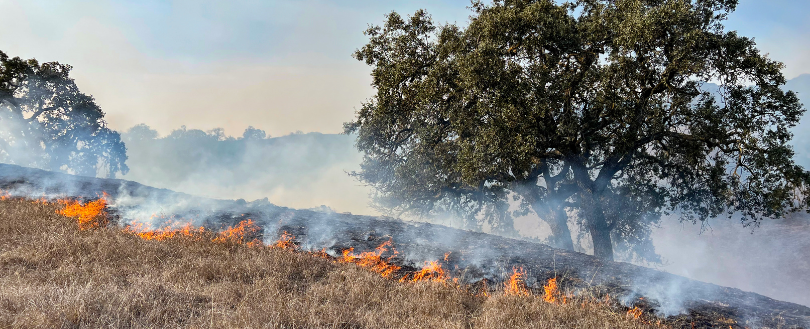
Prolonged hot and dry weather continues to increase the risk of wildfires across the UK, placing significant pressure on fire and rescue services as they respond to multiple incidents nationwide.
The National Fire Chiefs Council (NFCC) has warned that the ongoing heatwave, combined with a lack of forecast rainfall, is creating conditions in which fires can spread rapidly and become more difficult to control. Around 19 wildfires remain active across the UK.
Major incidents were declared over the weekend in Conwy, North Wales, and Glossop, Derbyshire, while additional wildfires have affected Hampshire, Durham, West Sussex, East Sussex, Devon and Somerset. Although the major incident in Conwy has now been brought under control, firefighters continue to tackle several active fires across North Wales, including in forestry near Bethesda and the Rhinogydd mountain range near Harlech.
In the Peak District, crews remain at the scene of significant moorland fires on Tintwistle Moor and near Dove Stone Reservoir on Saddleworth Moor. Around 30 to 40 firefighters continue to work in challenging conditions, with high temperatures, strong winds and exceptionally dry vegetation contributing to fire spread.
Fire and rescue services are urging the public to take extra care when visiting the countryside. While prolonged dry weather creates ideal conditions for wildfires, an ignition source is still required. Everyday activities such as using disposable barbecues, discarding cigarettes or lighting campfires can quickly lead to fires that spread rapidly through dry grass, heathland and woodland.
See how the spread of wildfires in the UK has increased here
In Dorset, firefighters also responded to a wildfire on heathland near Studland, with crews remaining on site to monitor and manage the incident.
Natural England has issued a "very high" to "exceptional" wildfire risk across much of England and Wales over the coming days. These warnings highlight the importance of taking simple precautions to reduce the likelihood of accidental fires during periods of hot, dry weather.
The recent incidents also reflect the growing challenge posed by increasingly frequent periods of prolonged heat and drought. Fire and rescue services continue to adapt to these changing conditions, with wildfire preparedness and public awareness playing a vital role in reducing risk and protecting communities, property and the natural environment.
View the source.
Our eNews provides regular insight into industry trends, news headlines, and product and service information. For more articles like this Subscribe to our enews.