New Comms System Rolled Out between Fire and Rescue Control Rooms Saving time
Like it? Share it!
25 March 2026
The introduction of a new communications system across fire and rescue services in England is set to significantly enhance the speed and effectiveness of information sharing during emergency incidents.
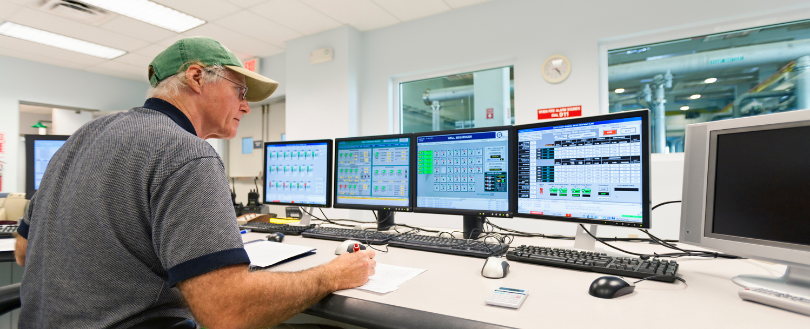
The Multi-Agency Incident Transfer (MAIT) standard enables control rooms to transfer incident details instantly between emergency services via a shared digital platform. By reducing the time taken to share critical information, the system is expected to support faster, more coordinated multi-agency responses.
Developed in response to recommendations from the Grenfell Tower Inquiry, MAIT has been created in collaboration with British APCO and utilises Ordnance Survey data to support accuracy and consistency.
The system allows incident information to be shared securely and in a standardised format across one or multiple control rooms. This ensures that all responding agencies have access to the same, reliable information at the earliest possible stage of an incident.
The National Fire Chiefs Council (NFCC) is overseeing the rollout across England’s 44 fire and rescue services, operating from 34 control rooms. At present, 27 services are live, with the majority expected to be operational by the end of March. The implementation, along with some initial running costs, has been supported by government funding.
Chair of NFCC Phil Garrigan said: “Fire and rescue services are working alongside other emergency services more than ever before, and one of our priorities has been to make that joint response as smooth as possible. MAIT means control rooms can share information in seconds, not minutes, so every service is working from the same picture from the moment the call comes in. That improves coordination and helps get the right assistance to the public swiftly and safely.”
Keith Donnelly, Head of Fire Service Operational Communications at the Ministry of Housing, Communities and Local Government said: “MAIT enables fire control rooms to share critical information in fast time with other fire control rooms, and once onboarded, with other emergency services.
“Since going live, it has already been used in a number of operational scenarios, with very positive feedback from fire and rescue services.”
Matt Leat, Deputy Chief Coastguard said: “Any process that accelerates communication between emergency services has the potential to save lives. MAIT eases the pressure on control room operators, helps them manage incidents more effectively, and can cut response times by minutes.”
View the source.
Our eNews provides regular insight into industry trends, news headlines, and product and service information. For more articles like this Subscribe to our enews.