
TICA Highlights Dangers of Assuming Competence on Higher-Risk Buildings
Like it? Share it!
27 February 2026
The Thermal Insulation Contractors Association (TICA) is calling for tighter scrutiny of specialist contractors working on Higher-Risk Buildings (HRBs), warning that competence across the supply chain is too often assumed rather than properly verified.
TICA has received “multiple complaints” relating to non-specialists installing thermal insulation to pipework and ductwork within HRBs. Reported issues include the use of flammable products instead of specification-compliant materials, as well as sub-standard workmanship resulting in overheating and condensation problems. These failings raise significant concerns for both fire safety and overall building performance.
In response, the Association is preparing to launch TICA Assured, a new independent certification body that will deliver UKAS-accredited audits for thermal insulation contractors. The scheme is designed to help TICA members demonstrate competence and provide greater assurance to the wider supply chain.
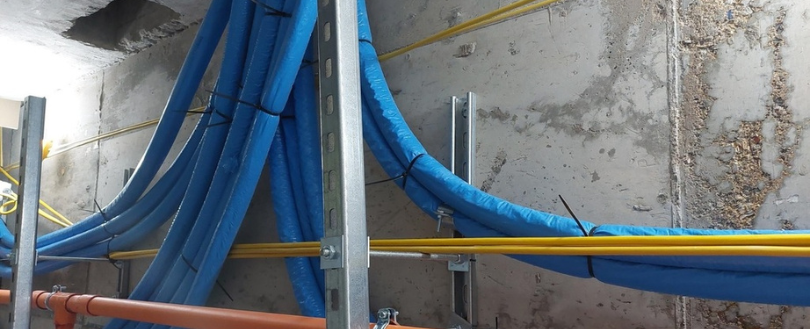
One recurring concern is that some M&E contractors are undertaking thermal insulation works in-house without engaging appropriately qualified specialist contractors. TICA has also highlighted the growing use of polyethylene pre-insulated pipework in communal areas of HRBs as being of particular concern, citing “a lack of clarity” regarding reaction to fire testing and certification for many products currently available on the market.
Case for compliance
Chris Ridge, technical director at TICA, explained: “The client, principal designer and principal contractor all have duty holder roles on HRBs. For the duty holder, the case for compliance is only as strong as the weakest specialist sub-contractor employed on a project.”
Ridge continued: “All too often, M&E contractors are assuming their own organisational capabilities when it comes to the selection and installation of thermal insulation. In many cases, this has led to the selection of flammable products instead of specification-compliant ones, not to mention poor workmanship leading to issues such as overheating and condensation.”
Further, Ridge stated: “We should expect better for our residential sector. Initiatives like the BESA Pledge show us that there’s a way forward. Leading M&E contractors are beginning to appreciate the value of managing competence within their own supply chain. This needs to be recognised by their clients as well.”
TICA is clear that responsibility sits with the duty holder to verify organisational capability across the supply chain, including thermal insulation specialists. This includes checking the relevant skills cards for all workers on site.
“With the exceptions of domestic plumbing (in dwellings) and commercial refrigeration using flexible foams,” noted Ridge, “all thermal insulation should be carried out by a thermal insulator with the appropriate TICA Construction Skills Certification Scheme skills card, not by a labourer and not by someone with a card appropriate to plumbing, ductwork or any other trade.”
In conclusion, Ridge informed Fire Safety Matters: “There’s a reason why large multi-occupancy buildings have been designated as HRBs. We can do better than this, but we need to start with greater collaboration between duty holders and the various construction sector specialist Trade Associations. Let’s work together to pave a better way forward.”
View the source.
Our eNews provides regular insight into industry trends, news headlines, and product and service information. For more articles like this Subscribe to our enews.